Don
De
Dieu
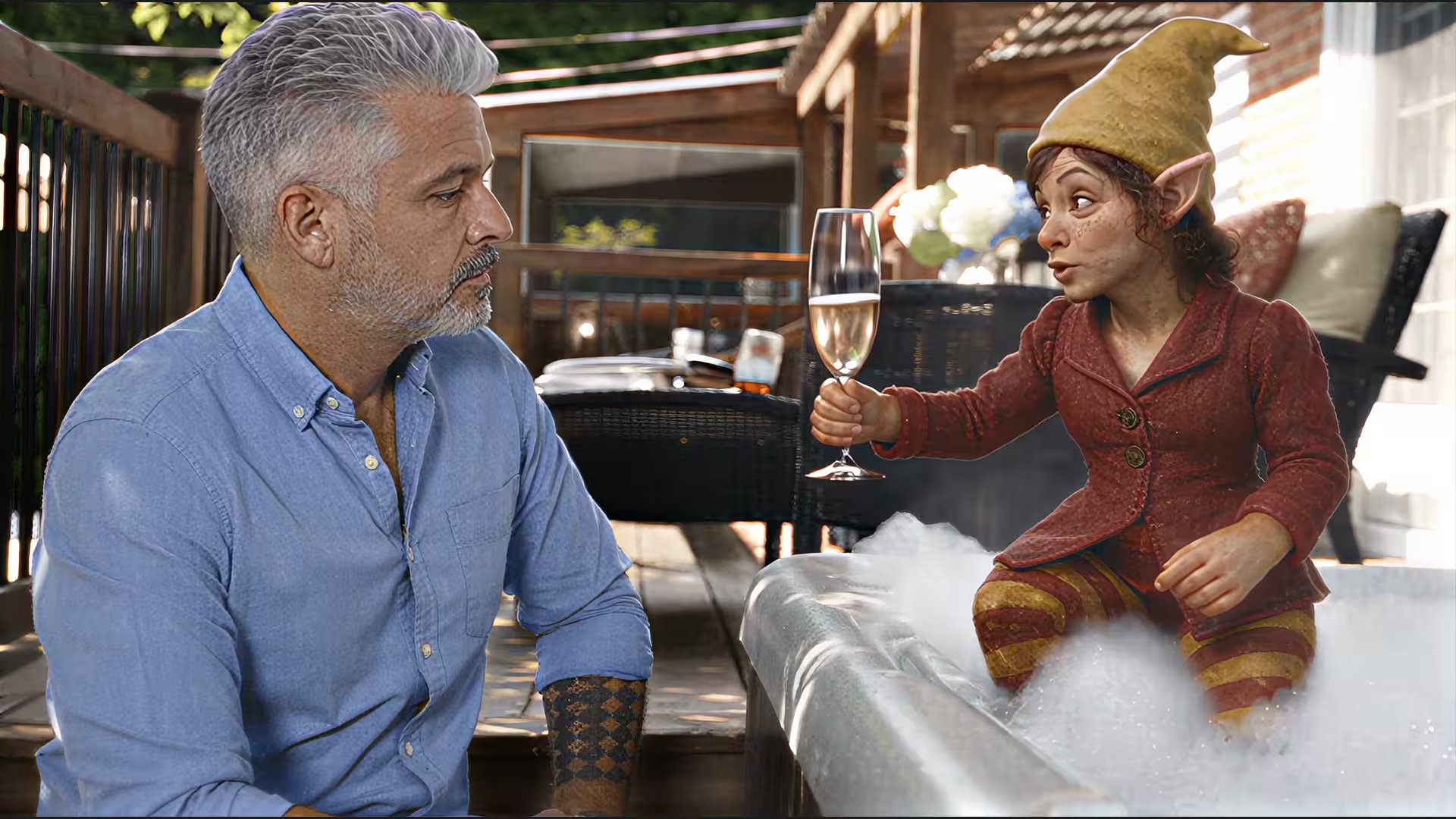
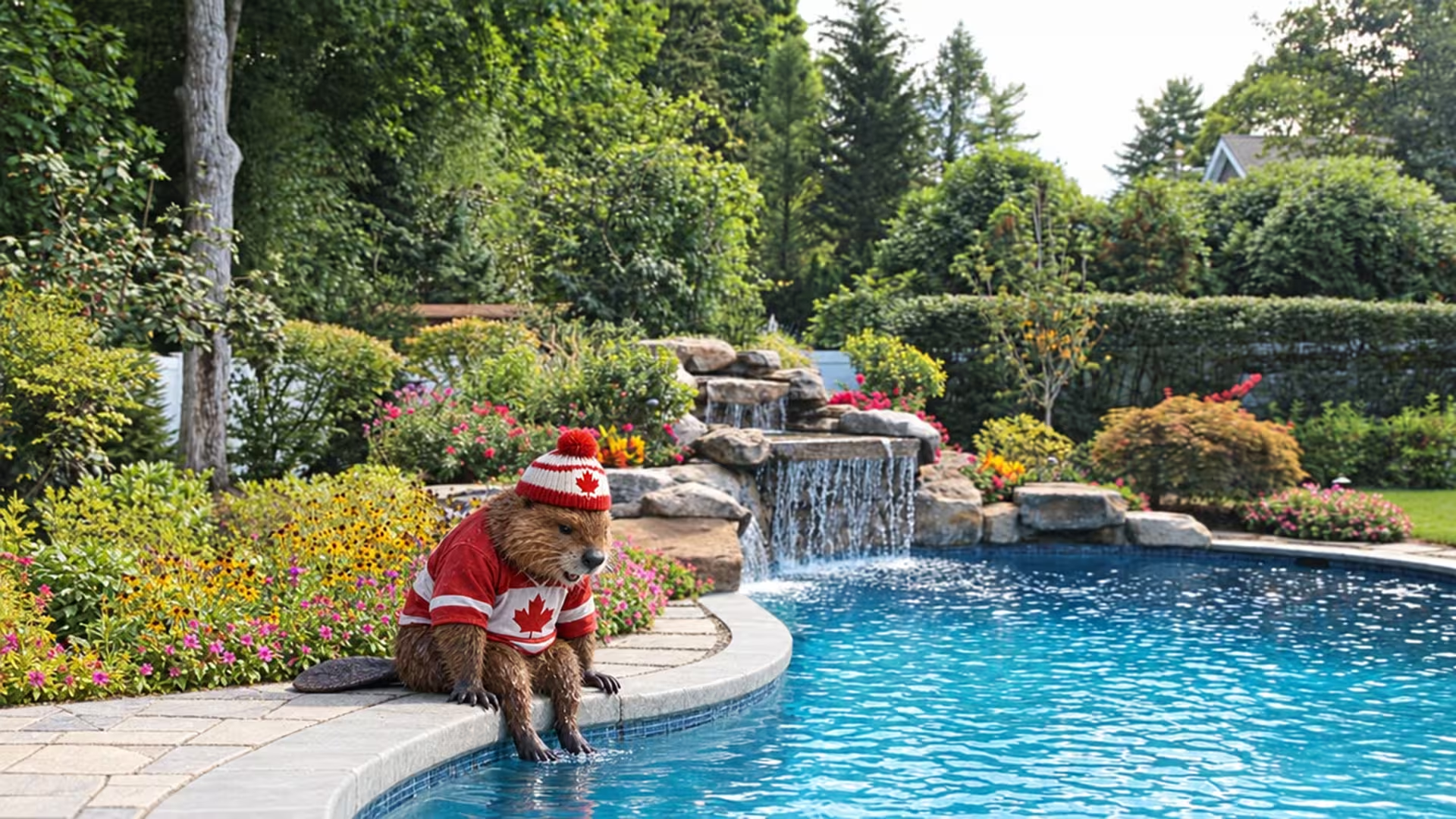
A mythical, larger-than-life creature — built once, exclusively for your brand — moves through your space, notices what's actually good about it, and decides to stay. A different homeowner each time is the one who's there to witness it, mildly caught out, learning to see their own home the way she does.

A feature list is easy to tune out. A story isn't. When the character tours the space, they aren't reciting selling points, they're noticing them, one by one, in character, mid-conversation. The viewer stays with the story, and absorbs the features without ever feeling pitched.
You stop seeing what you live with every day, even something built well. It's a documented psychological pattern: novelty fades with exposure, and people quietly lose track of what they have. So when an outsider with nothing to gain notices what the owner stopped noticing, it doesn't feel like being sold to. It feels like being reminded. And the viewer steps into the homeowner's skin, noticing the craftsmanship right alongside them.
A voice is as much a part of a character as how they look. A creature without a distinct way of speaking, without turns of phrase and a register that are recognizably theirs, is just a costume. That's why the character isn't reinvented for every video: the same look, the same personality, and the same voice appear release after release, so what your audience is building a relationship with isn't a single ad, it's a character they come to know.
The person in frame changes each episode, a homeowner, a business owner, whoever commissioned the work being shown. So does the project itself, and the specific details worth catching. This client isn't in on the joke, and isn't playing along either; they simply take the credit in stride, and aren't about to correct the character about who really made those choices.
Every episode follows the same shape: the character moves through the space and reacts to what's there, enough to inform without turning the story into a list. What starts as surprise becomes recognition, then something warmer. By the end, credit has quietly shifted onto the client, for choices the client's own team actually made. The tour closes the same way every time, not with praise, but with a decision the character makes on their own: to stay.